The Architect
Concrete, handled with care.
Rinaldo Umberto Fabbro arrived in Australia from Italy, founding Fabbrostone in Sydney during the mid-1960s. The firm was built on a single, radical premise: that concrete, cast with patience in a workshop rather than poured rough on a job site, could possess the quiet beauty and texture of natural stone.
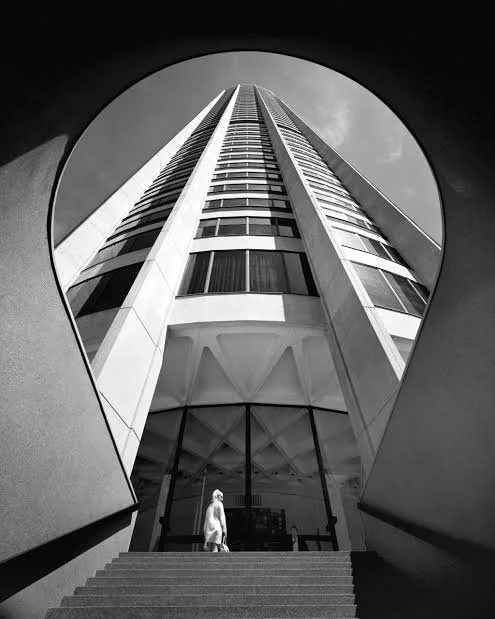
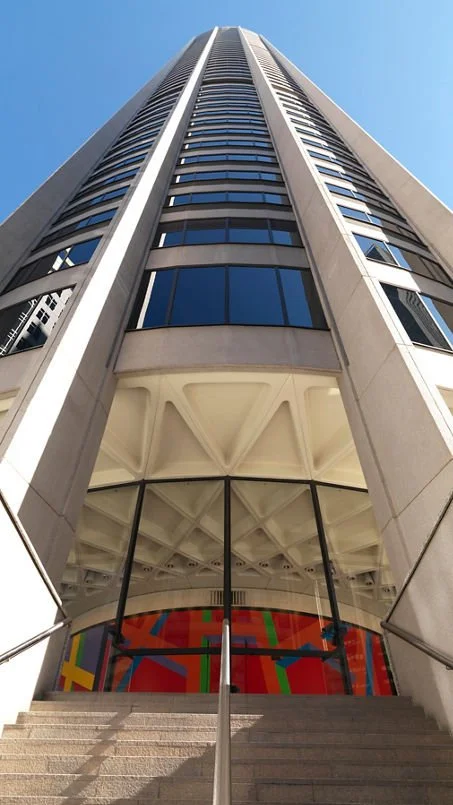
His craft lived on the surface—in the exposed aggregate, the subtle shifts in texture, and the way a heavy panel captures low light. Fabbrostone developed bespoke finishes and precast systems that eventually cloaked some of the country's most significant mid-century architecture.
In Public View
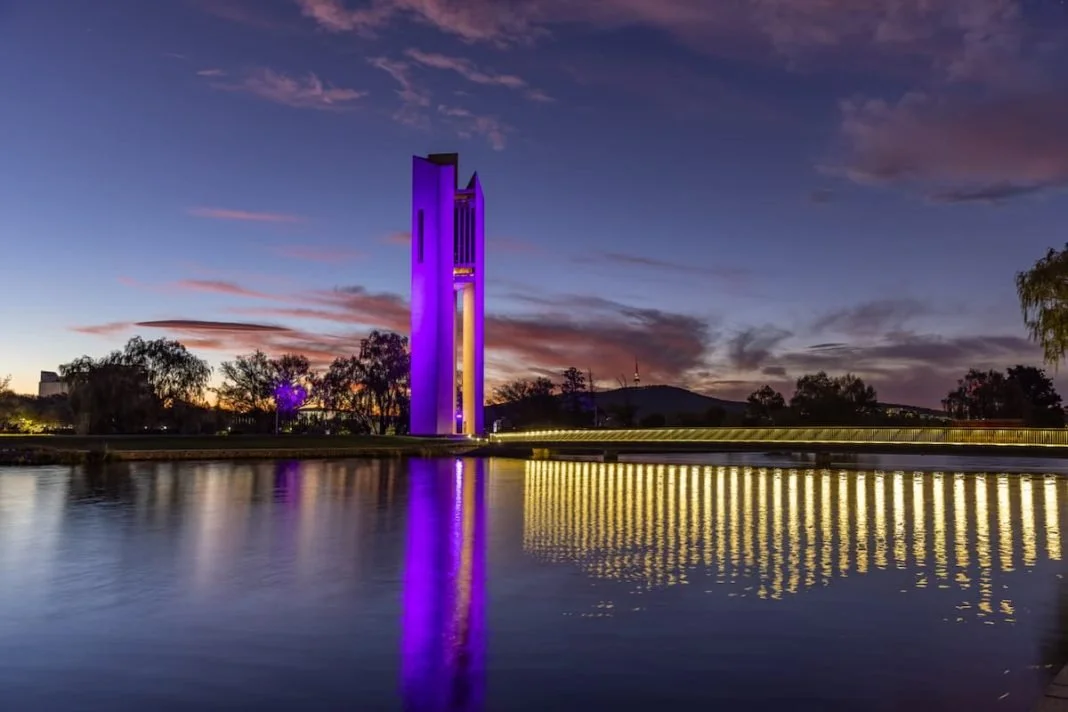
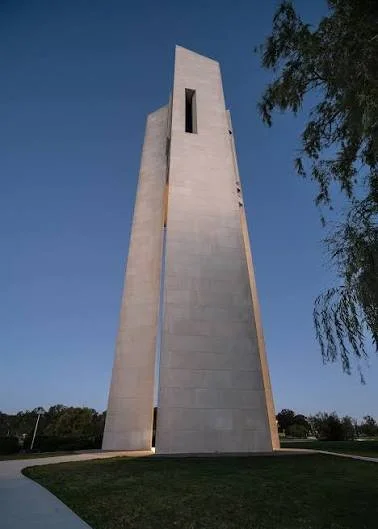
In Canberra, Fabbrostone engineered and fabricated the precast concrete for the National Carillon on Lake Burley Griffin. Closer to home, the firm created the unpainted concrete panels of the 1968 Gosford Library—a building celebrated today as one of the Central Coast's finest surviving works of modernism.
If you have walked beneath either, you have already touched his work.
Rosa
Rosa is Fabbro at a domestic scale. It translates the same structural discipline and material patience into a private family sanctuary facing the reserve and water. His original signed drawings stay with the house, laid out on a drafting table in the living room.
The Continuation
Fabbro passed away in 2016, aged 94. Rosa remains one of the rare places where his architectural legacy is lived in, rather than merely observed from a distance.
The home’s recent evolution honours that origin. Guided by a strict palette of raw, honest materials and executed over a year of hands-on refinement alongside master craftspeople, every new join, corner, and reveal stays true to Fabbro’s initial premise: that human intention can make heavy materials feel effortless.